Understanding Fence Disputes in Neighborhoods

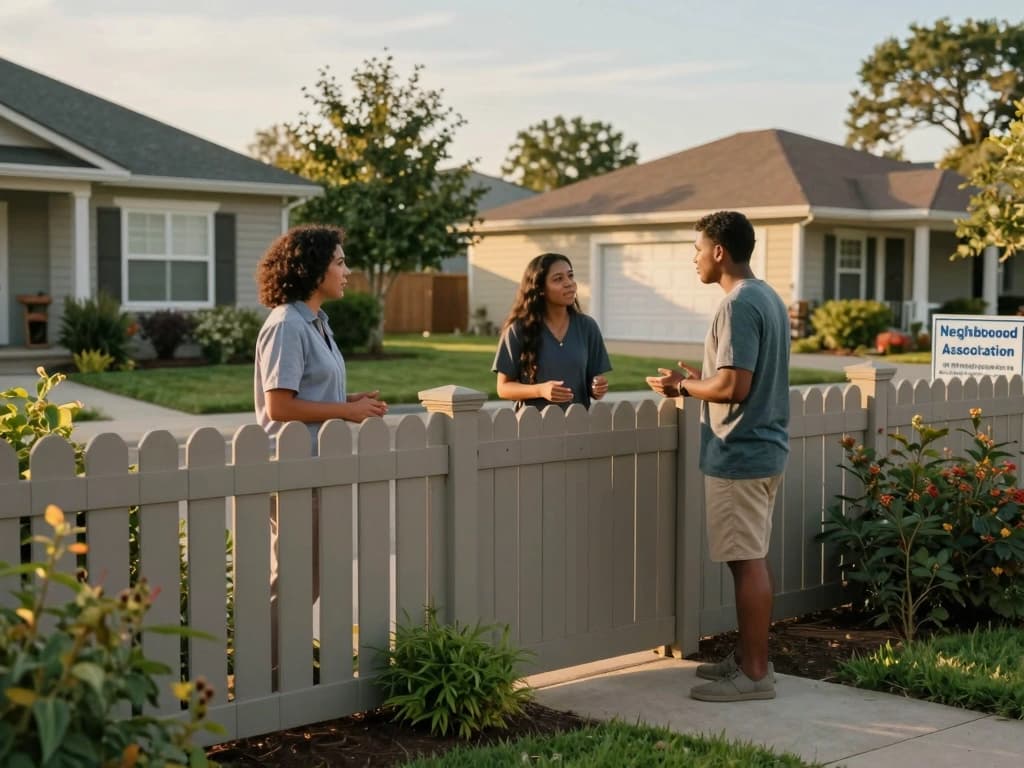
Fence disputes are a common source of conflict among neighbors, often leading to tension and strained relationships. These disputes can arise from a variety of reasons, including property line misunderstandings, differing opinions on aesthetics, or disagreements over maintenance responsibilities. Below, we explore the common causes of these conflicts and the role that neighborhood associations play in mediating them.
Common Reasons for Fence Disputes
Fence disputes typically stem from several key issues:
- Boundary Confusion: One of the most frequent causes of fence disputes is misunderstanding or misinterpretation of property boundaries. Homeowners may have differing views on where their property lines lie, leading to conflicts over the placement of fences.
- Aesthetic Differences: Neighbors often have varying preferences regarding the style, height, and materials used for fences, which can lead to disagreements. For example, one neighbor may prefer a natural wood fence, while another may advocate for a vinyl option.
- Maintenance Responsibilities: Disputes can arise over who is responsible for maintaining, repairing, or replacing a shared fence. A neighbor may feel that the burden of upkeep falls disproportionately on them, leading to resentment.
- Local Wildlife Concerns: In some instances, disputes may arise when one neighbor builds a fence that obstructs access to shared spaces, such as gardens or yards that attract wildlife. This can create friction as one party may feel encroached upon.
The Role of Property Lines and Boundaries
Property lines are crucial in resolving fence disputes, as they delineate ownership and responsibility. According to the American Land Title Association, approximately 85% of property disputes are related to boundary issues. Accurate surveys, often conducted by licensed surveyors, are essential in clarifying these boundaries. In the case of a dispute, neighborhood associations often recommend homeowners obtain a land survey to establish clear property lines. This step can help mitigate conflicts by providing a factual basis for discussions. For instance, if a neighbor believes a fence is encroaching on their property, a survey can definitively determine if that is the case.
Impact of Local Laws and Regulations
Local laws and zoning regulations also play a significant role in fence disputes. Most municipalities have specific ordinances dictating fence height, type, and placement. For example, in some areas, fences taller than six feet may require a permit, while others may restrict certain materials due to aesthetic or safety concerns. Neighborhood associations often have their own guidelines that reflect these local laws. Neighborhood associations must be aware of these regulations as they mediate disputes. They may guide residents in understanding the legal framework governing fences, helping to establish a common ground during mediation efforts. For instance, if a homeowner has erected a fence that violates local ordinances, the association can inform them of the necessary steps to rectify the situation.
The Structure of Neighborhood Associations
Neighborhood associations serve as critical mediators in fence disputes, operating within a structured framework designed to facilitate communication and resolution. Understanding their composition, governance, and responsibilities is essential for grasping how they effectively resolve conflicts.
Composition and Governance of Neighborhood Associations
Neighborhood associations typically comprise local residents who volunteer or are elected to represent the community. These associations may have a board of directors, committees, and general membership, ensuring diverse representation. The governance structure can vary depending on the size and nature of the neighborhood, but most associations operate under a set of bylaws that outline their mission, objectives, and procedural guidelines. For example, the Westwood Neighborhood Association in Kansas City, Missouri, has a board that includes a president, vice president, secretary, and treasurer, along with committee leaders focused on various community issues. This structure allows for efficient decision-making and ensures that multiple perspectives are considered when addressing conflicts.
Responsibilities and Powers of Neighborhood Associations
Neighborhood associations are tasked with several responsibilities, which may include:
- Mediation: One of the primary roles of neighborhood associations is to mediate disputes between residents, including fence-related conflicts. They facilitate discussions and negotiations aimed at reaching amicable solutions.
- Enforcement of Rules: Associations often enforce community rules and guidelines, which may cover fencing regulations. They can issue warnings or, in extreme cases, initiate formal proceedings against homeowners who violate these rules.
- Community Building: By organizing events and fostering communication, associations promote a sense of community that can help prevent disputes before they arise.
The effectiveness of these responsibilities greatly depends on the association's authority and the willingness of residents to engage in the process.
How Associations are Funded and Supported
Neighborhood associations are typically funded through membership fees, donations, and sometimes municipal support. Membership fees can range from $10 to $100 annually, depending on the association's size and budgetary needs. This funding is crucial for the association to operate effectively, as it allows them to host meetings, hire mediators, and provide resources for conflict resolution. In some cases, local governments may offer grants or resources to assist neighborhood associations in their mediation efforts. For example, the City of Portland, Oregon, has initiatives that provide training and resources to neighborhood associations, enhancing their ability to handle disputes.
Mediation Techniques Used by Neighborhood Associations
Neighborhood associations employ various mediation techniques to effectively resolve fence disputes, focusing on communication, establishing rules, and involving neutral parties when necessary.
Facilitated Dialogue and Communication Strategies
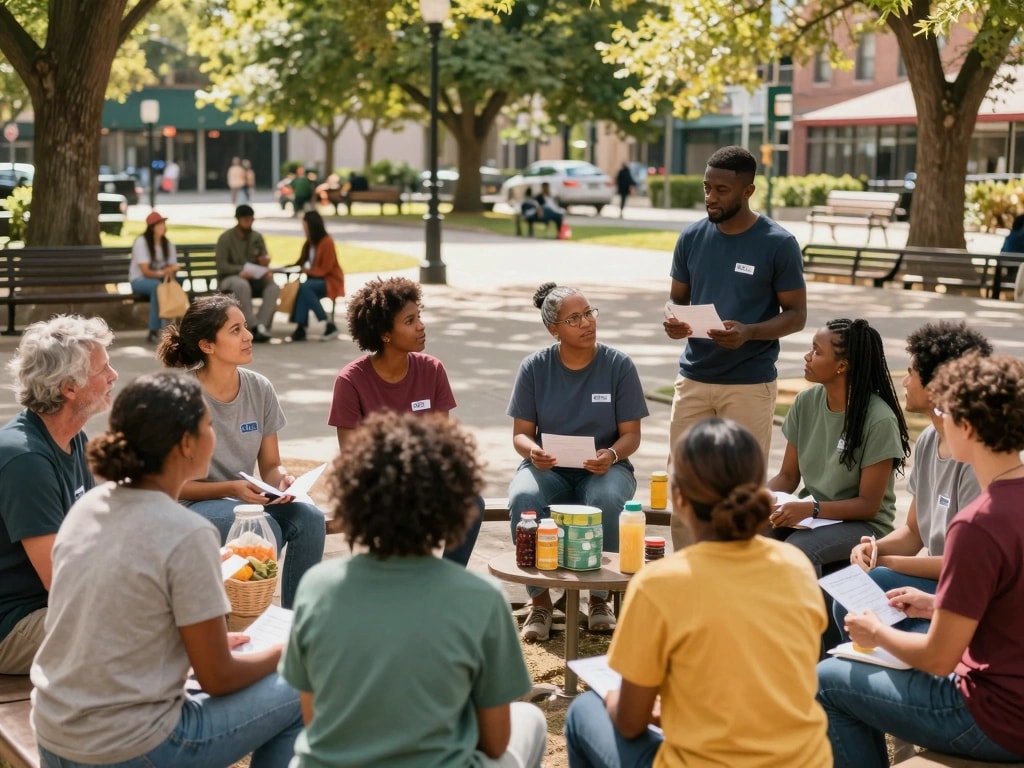
One of the most effective techniques is facilitated dialogue. Neighborhood associations often organize meetings where parties can express their concerns in a structured environment. This approach encourages open communication and helps prevent misunderstandings. For example, the Maplewood Neighborhood Association in New Jersey holds quarterly meetings where residents can bring up issues, including fence disputes. This regularity fosters a culture of communication and helps residents feel heard, which can reduce tensions.
Establishing Ground Rules for Mediation Sessions
Before mediation sessions begin, associations often establish ground rules to create a respectful environment. These rules may include:
- Each party will have an equal opportunity to speak.
- Interruptions are not allowed.
- Discussions should remain focused on the issue at hand.
- Confidentiality must be maintained.
By setting these guidelines, neighborhood associations help ensure that mediation sessions are productive and focused, ultimately leading to more effective resolutions.
Utilizing Neutral Third Parties in Disputes
In some cases, neighborhood associations may seek the assistance of neutral third-party mediators. These professionals are trained in conflict resolution and can provide an unbiased perspective on the dispute. Utilizing a neutral mediator can help de-escalate tensions and facilitate a more effective dialogue. For instance, the Greater Chicago Neighborhood Association often collaborates with local mediation services to assist in more complex disputes. This approach not only provides expertise but also instills confidence in the mediation process for both parties.
Case Studies of Successful Fence Dispute Resolutions
Real-world examples of successful fence dispute resolutions can offer valuable insights into effective mediation practices employed by neighborhood associations.
Lessons from Effective Mediation Examples
One notable case involved the Oak Park Neighborhood Association in Illinois, where two neighboring families had conflicting views on a fence's height. The association organized a mediation session, allowing both parties to present their concerns. By facilitating a dialogue that emphasized compromise, the association helped the families agree on a shared fence height that satisfied both parties. This resolution not only resolved the immediate conflict but also strengthened their relationship.
Community Feedback and Involvement in Resolutions
Community involvement is crucial in resolving disputes effectively. The Willow Creek Neighborhood Association in Colorado conducts surveys to gather feedback from residents, allowing them to voice their opinions on community issues, including fences. This proactive approach helps the association identify potential disputes before they escalate and fosters a culture of collaboration.
Long-Term Solutions and Community Harmony
Effective mediation can lead to long-term solutions that promote community harmony. The Southside Neighborhood Association in Atlanta successfully resolved multiple fence disputes by creating a community guideline document outlining acceptable fence styles and heights. This initiative not only addressed existing conflicts but also provided a reference for future constructions, reducing the likelihood of disputes.
Challenges and Limitations of Neighborhood Associations
Despite their effectiveness, neighborhood associations face several challenges and limitations in mediating fence disputes.
Legal Constraints and Authority Limits
Neighborhood associations often operate within a framework of legal constraints. Their authority may be limited when it comes to enforcing property laws and regulations. In some cases, they may not have the legal backing to enforce decisions, leaving them reliant on homeowners' cooperation. This limitation can hinder their ability to resolve disputes effectively.
Resistance from Homeowners and Community Members
Resistance from homeowners can also pose a challenge. Some individuals may refuse to engage in the mediation process, believing that their perspective is justified without considering the viewpoints of their neighbors. For example, in a situation where a homeowner believes their fence is their right regardless of property lines, they may be unwilling to compromise.
Ensuring Fairness and Impartiality in Mediation
Maintaining fairness and impartiality during mediation is essential for neighborhood associations. If residents perceive bias in the mediation process, it can undermine the association's credibility and lead to further disputes. Associations must be diligent in ensuring that all parties are treated equally and that resolutions are based on facts and community guidelines, rather than personal biases. In conclusion, neighborhood associations play a vital role in mediating fence disputes effectively. Through understanding the common causes of these disputes, establishing a structured approach to mediation, and employing various techniques, they can foster cooperation among residents. While challenges exist, successful case studies demonstrate the positive impact of mediation on community harmony. By continuing to refine their processes and engage residents, neighborhood associations can enhance their effectiveness in resolving disputes and maintaining peaceful neighborhoods.